
A measured look at LED for appearance and selected skin concerns. Choosing an aesthetic treatment should begin with understanding the concern, rather than selecting a procedure from a list. At Nur Aesthetics Clinic, we encourage clients to consider their goals, medical history and likely recovery before deciding on an approach.
Understanding the concern
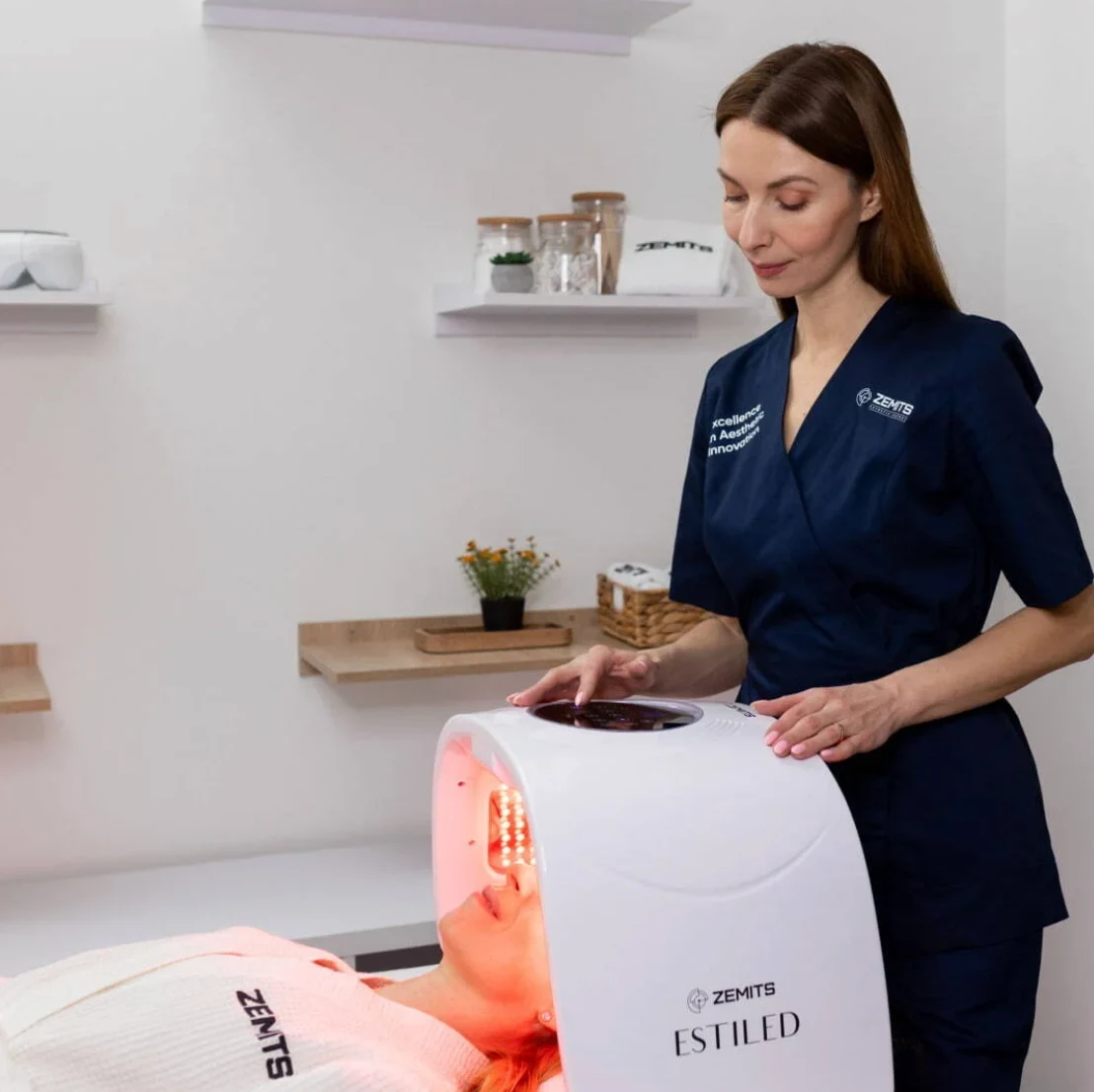
LED uses specific wavelengths of light; different protocols target different biological pathways.
Evidence and results depend on device output, wavelength, schedule and the concern being addressed.
Which treatments might help?
LED may be an adjunct to a broader plan for selected acne-related or skin-rejuvenation concerns.
The most appropriate option depends on your skin, treatment history, health and individual assessment. A treatment mentioned here may not be suitable for you, and availability must be checked before booking.
What results and recovery should I expect?
Some people notice subtle changes, while others may need a course or may not be suitable candidates. The timing and degree of improvement differ between treatments and individuals. Your practitioner should explain expected recovery, potential complications and alternatives during consultation.
Safety and when to seek advice
Do not claim LED cures rosacea, acne or inflammatory skin disease; use eye protection and appropriate screening.
Key takeaway
The right treatment is the one that matches your specific concern and risk profile—not necessarily the most intensive option. A careful assessment and realistic expectations are essential.
Frequently asked questions
How do I know whether this applies to my skin?
A consultation can help distinguish similar-looking concerns and identify whether a cosmetic treatment is appropriate.
Will one session be enough?
It depends on the concern and procedure. Some treatments are offered as a course, and results are not guaranteed.
Is there downtime?
Recovery varies by procedure and individual response. Ask for treatment-specific written aftercare before booking.
Can I combine treatments?
Sometimes, but sequencing and suitability require an individual plan; combining treatments is not automatically better.